

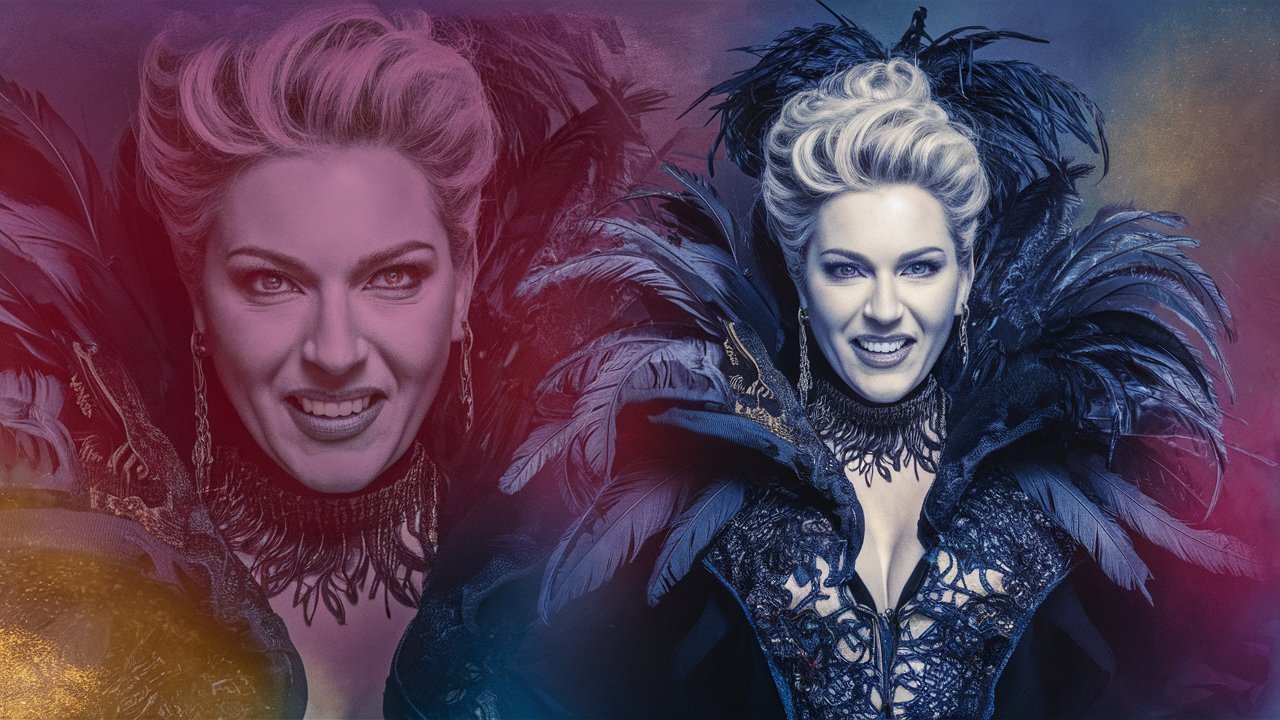
Sarah Ziolkowska stands as one such compelling figure—a director, visual artist, and scenographer whose work exists at the mesmerizing intersection of stark visual poetry, intense physicality, and deep psychological excavation.
Artistic Foundations: From Visual Arts to a Theatre of Images
This methodology aligns her with a tradition of visual theatre and mise-en-scène-driven work, where the director’s role as a auteur is paramount, crafting a total sensory experience for the audience. Her work often exhibits a sculptor’s concern with form, mass, and negative space, and a painter’s eye for composition, stark contrast, and symbolic color palettes—frequently leaning towards monochromatic or severely limited spectra that heighten emotional and thematic focus.
Her collaborations, most notably with the legendary Belgian artist Jan Fabre as part of the Troubleyn company, have provided a fertile ground for this aesthetic to flourish, working within an environment that champions bodily discipline, visual metaphor, and long-durational performance as forms of artistic and spiritual inquiry.
Signature Works and Collaborative Alchemy with Troubleyn/Jan Fabre
To understand Sarah Ziolkowska’s impact, one must examine key works that serve as benchmarks of her artistic vision.Fabre, a visual artist and theatre maker known for his radical, transdisciplinary work, found in Ziolkowska a collaborator whose sensibilities perfectly complemented his own obsession with transformation, beauty, and the limits of the body. Within this partnership, Ziolkowska has operated as a director, co-creator, and the leader of the female performer ensemble, shaping iconic productions that have toured the world’s most prestigious festivals and venues.
In “Je suis sang,” the stage becomes a metaphysical battleground exploring themes of genesis, sacrifice, and the sacredness of bodily fluids.”L’histoire des larmes” delves into the mythology and physicality of weeping, with performers navigating a landscape of salt and glass, their movements at once fragile and relentless.These works do not entertain in a casual sense; they immerse, confront, and ultimately transform the spectator’s perception.
Pedagogy, Legacy, and the Future of Visual Performance
Beyond her productions, Sarah Ziolkowska’s influence extends into the realm of pedagogy and artistic transmission. She is a dedicated teacher, conducting workshops and masterclasses worldwide where she imparts her distinctive approach to performance creation.
Her legacy and ongoing work pose essential questions about the future of theatre in an increasingly digital and image-saturated age.
Conclusion: The Enduring Resonance of a Visual Auteur
Sarah Ziolkowska‘s contribution to contemporary theatre is that of a true auteur, a For artists, she is a model of rigorous, cross-disciplinary innovation.In an era of constant noise, the potent, precise, and hauntingly quiet intensity of Sarah Ziolkowska’s theatre commands a different, deeper kind of attention, securing her place as one of the most significant visual directors of our time.
FAQ: Sarah Ziolkowska
Q1: Who is Sarah Ziolkowska?
A: Sarah Ziolkowska is a Polish-born director, visual artist, and scenographer renowned for her work in contemporary visual theatre.
Q2: What is her artistic style or signature approach?
A: Ziolkowska’s style is visually-
driven and minimalist yet highly charged. She comes from a visual arts background, which leads her to treat the stage as a living painting or sculpture. Key elements include:
-
Strong visual composition: Use of symbolic objects, stark lighting, and limited color palettes.
-
Physical extremity: Performers engage in demanding, durational, and often ritualistic actions.
-
Reduction: Stripping away narrative decoration to focus on core emotional and philosophical states.
-
Atmosphere over plot: Creating immersive sensory environments where the “feeling” is the primary narrative.
Q3: What are some of her most famous works?
A: Notable works include her collaborations with Jan Fabre and Troubleyn, such as:
-
“Je suis sang” (I am blood): An epic on themes of blood, sacrifice, and creation.
-
“L’histoire des larmes” (The History of Tears): A performance exploration of weeping and vulnerability.
Q4: What is her connection to Jan Fabre?
She is a director within his company, Troubleyn, and has been instrumental in shaping the visual and performative style of its major productions, often leading the female performer ensemble. Their collaboration is based on a shared interest in the body, endurance, beauty, and transformation.
Q5: How can I experience or learn more about her work?
A:
-
strong Live Performance: Keep an eye on the schedules of major international theatre festivals (Avignon, Festival d’Automne, Wiener Festwochen) and venues t
hat program exper
imental work, as her productions tour globally.
-
Documentation: Troubleyn’s official website and specialized platforms like TheatreofPerformanceArt often feature videos, photos, and essays on her work.
-
Publications: Look for books on Jan Fabre’s theatre work or contemporary European scenography, which frequently feature extensive analysis of he
- r contributions as a director and collaborator.


