

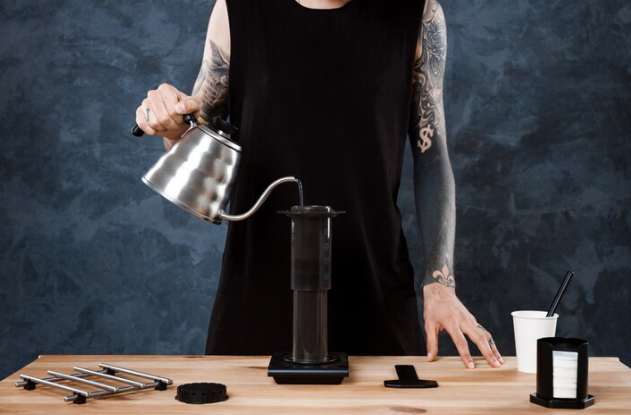
Step 1: The Prelude – Preheating Your French Press
The journey to a perfect cup begins with a simple yet often overlooked step: preheating the vessel. By pouring hot water into the empty French press, swirling it around, and then discarding it, you accomplish two vital things. First, you bring the glass or stainless steel beaker up to temperature, preventing the brewing water from losing heat upon contact. A stable, high temperature is crucial for proper extraction. Second, this act cleans the press of any residual coffee oils or dust, ensuring a pure, unadulterated flavor for your new brew. This small act of preparation is what separates a haphazard method from a deliberate and professional one.
Step 2: The Measurement – Getting the Coffee-to-Water Ratio Right
Precision is key here. A standard and highly effective ratio to start with is 1 gram of coffee for every 15-16 grams of water.For a full 1-liter French press, you will need approximately 60-65 grams of coffee. Measure your coffee beans by weight for ultimate accuracy, grind them coarsely—aiming for a texture similar to coarse sea salt or breadcrumbs—and add them to the bottom of the preheated press. The coarse grind is non-negotiable; a fine grind will slip through the mesh filter, resulting in a muddy, gritty, and unpleasantly bitter cup.
Step 3: The Bloom – Releasing the Coffee’s Gases
Now, the magic starts. Start your timer and pour just enough hot water (ideally between 195°F and 205°F, or just off the boil) to saturate all of the coffee grounds. You will notice the coffee beginning to bubble and swell as it releases carbon dioxide gas that has been trapped inside the beans since roasting. This process is known as “blooming.” Allow the coffee to bloom for about 30 seconds. This degassing step is critical because if the gas remains in the grounds, it will act as a barrier, preventing water from effectively extracting the delicious flavors from the coffee. By allowing it to bloom, you are priming the coffee for a uniform and complete extraction.
Step 4: The Main Pour and Steep – The Heart of the Process
After the 30-second bloom, slowly and steadily pour the rest of your hot water into the press, ensuring all the grounds are fully immersed. Give the brew a gentle stir with a wooden or plastic spoon (to avoid scratching the glass) to break up any crust that has formed on the top and to ensure all grounds are fully saturated. Place the lid on top with the plunger pulled all the way up. Now, the waiting begins. The total steep time, including the bloom, should be four minutes. This is the sweet spot for extracting the full range of sweet, complex flavors without venturing into the territory of harsh, bitter compounds. Setting a timer is highly recommended to maintain consistency.
Step 5: The Plunge – A Gentle and Steady Finale
When your timer goes off, it is time for the moment of truth. Place your hand firmly on the top of the lid and, using steady, even pressure, press the plunger straight down. Do not force it or push it down too quickly. If you encounter significant resistance, it is likely because your grind was too fine. A proper plunge should take about 20-30 seconds. The goal is to separate the brewed coffee from the grounds gently, not to compact them into a tight puck at the bottom. Once the plunge is complete, you must serve the coffee immediately. Letting it sit in the press will cause it to continue extracting from the grounds that have settled at the bottom, leading to over-extraction and bitterness.
Conclusion
Mastering the French press is not about complex technology or secret ingredients; it is about honoring the fundamentals of the coffee brewing process. It is a method that rewards patience, precision, and a touch of ceremony. By starting with freshly roasted, coarsely ground beans, using water at the perfect temperature, respecting the bloom, and adhering to the four-minute steep time, you unlock a dimension of coffee flavor that is simply unattainable through most other brewing methods. The result is a profoundly rich, full-bodied, and authentically flavorful cup that showcases the true character of your coffee. So, embrace the ritual. Put away the pre-ground canister, invest in a burr grinder, and take four minutes for yourself each morning to engage in the simple, satisfying art of French press brewing. Your taste buds will thank you for the extraordinary upgrade to your daily routine.
Frequently Asked Questions (FAQ)
Q1: Why is my French press coffee always bitter?
Bitterness is almost always a sign of over-extraction.To fix this, ensure your water is between 195°F and 205°F, use a consistently coarse grind, and stick strictly to the 4-minute total brew time.
Q2: How coarse should the coffee be for a French press?
The grind should be very coarse, resembling raw sugar or coarse sea salt. If you hold it next to pre-ground drip coffee, it should look significantly larger. A fine or medium grind will pass through the mesh filter, making the coffee muddy and bitter.
Q3: Can I use pre-ground coffee in a French press?
While you can, you should not for the best results.This will lead to over-extraction and a gritty, bitter cup.
Q4: Why is there sludge at the bottom of my cup?
A small amount of fine sediment, or “sludge,” is normal and even characteristic of French press coffee.This is part of what contributes to the full-bodied mouthfeel. However, an excessive amount of sludge usually indicates that your
Q5: How do I clean my French press properly?
Proper cleaning is essential to prevent old, rancid coffee oils from tainting your next brew. First, discard the coffee grounds. Do not pour them down the sink, as they can cause clogs. Instead, scoop them into the trash or compost. Then, disassemble the plunger assembly completely. Wash the beaker, lid, and all filter parts with warm, soapy water, using a brush to scrub the mesh filters thoroughly to remove any trapped oils and particles.


